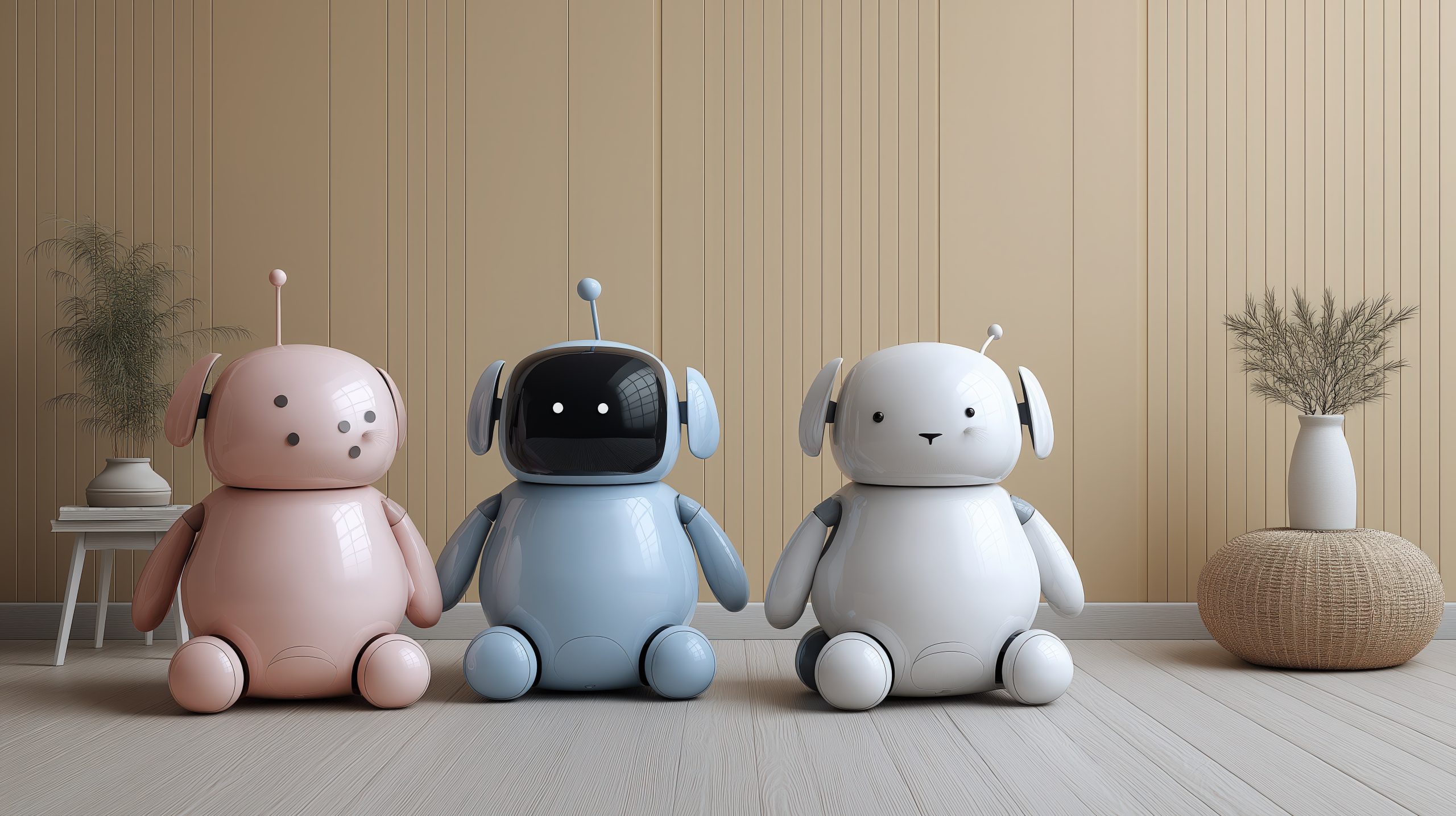
Robot pets are no longer just quirky little toys hidden on the bottom shelf of a store. They have become sophisticated, emotional-looking, and surprisingly advanced companions. Some wag their tails when you walk in the room. Others “respond” to your voice, recognize faces, remember routines, and even simulate affection. From robotic dogs and cats to birds and dinosaurs, these devices are positioned as the modern, no-maintenance solution to the traditional family pet.
Marketers don’t just sell them as entertainment anymore — they sell them as emotional support, companionship, learning tools, and even therapy devices. You’ll see robot puppies being used in senior homes, passed around to patients with dementia, and gifted to kids who want a dog but can’t have one. The message is clear: all the love, none of the mess.
It sounds perfect. No vet bills. No shedding. No walking. No mess. No responsibility. Just companionship on demand. In a world where people are busier, lonelier, and more digitally connected than ever, it feels like robot pets are positioned to fill a real emotional gap.
But the real question is this: Are robot pets actually helping human connection and wellbeing… or are they just another tech trend that replaces real-life experiences with a shiny substitute?
Let’s peel back the marketing and find out.
What Exactly Is a Robot Pet?
When we talk about robot pets, we’re not just talking about one simple product. There is a wide range, from basic automated toys to highly advanced AI-driven companions. Some robot pets simply walk, bark, light up, or respond to touch. Others use sensors, cameras, voice recognition, and machine learning to “learn” your preferences and develop simulated behavior patterns.
Some models mimic real animals like dogs, cats, birds, or even seals. Others are completely fictional or futuristic in design. They might sit on your table, follow you around, play games with kids, or make noises when petted. Higher-end versions promise emotional recognition, expressions, and personal attachment behaviors.
On the surface, it’s impressive technology. Engineers have managed to recreate aspects of animal movement, sound, and even anticipation. And while it’s not true intelligence or emotion, it is good enough to feel real to many users, especially children and the elderly.
But realism doesn’t equal relationship. And this is where the conversation becomes deeper and more complex.
The Emotional Appeal (And Why It Works)
Robot pets tap into something very human: the desire to connect and care for something outside of ourselves. Humans naturally form emotional bonds with animals. Pets offer companionship, comfort, routine, and unconditional presence. Robot pets copy the outward signals of that bond without requiring the full commitment.
For children, robot pets offer instant gratification. They respond immediately. They don’t need to be trained. They don’t need discipline. They are always “on” and always available. That creates a low-resistance relationship that feels safe and predictable.
For seniors and people who are isolated, robot pets can offer stimulation, routine, and a sense of presence. In controlled settings like nursing homes or assisted living facilities, several studies and user reports suggest these devices can reduce feelings of loneliness, anxiety, and agitation. In that specific context, there is real benefit.
But here’s the critical distinction: robot pets don’t love you — they simulate love. And when used improperly, that can blur the line between comfort and emotional substitution.
The Convenience That Makes Them Attractive
Let’s be honest: real pets are work. They need feeding, cleaning, training, vet care, exercise, and attention. They cost money and time. They can damage things, make noise, and get sick. In today’s busy lifestyle, many families simply feel they can’t handle the responsibility.
Robot pets promise the reward without the responsibility.
No fur. No poop. No barking at 3am. No cages. No leashes. No allergies. No heartbreak when they die. They are the ultimate “control-based” pet. You get to turn them off when they’re inconvenient and turn them on when you want interaction.
From a convenience perspective, it makes perfect sense why they are growing in popularity. Especially in smaller homes, apartments, and restricted living environments, a robot pet can feel like a clever loophole around the limitations of real life.
However, what you gain in convenience, you may also lose in depth, growth, and real-world experience.
The Missing Ingredient: Responsibility and Growth
One of the greatest hidden benefits of real pets — especially for children — is responsibility. Feeding an animal, walking it, cleaning up after it, noticing its needs, caring when it’s sick… these are lessons in empathy, discipline, and selflessness.
Robot pets remove all of that. They work perfectly regardless of whether you show up or not. They don’t depend on you. They don’t suffer if you forget them. They don’t require sacrificial care.
While that sounds beneficial, it can actually stunt emotional development rather than build it. The messy, inconvenient, sometimes difficult aspects of caring for a living creature are what build real compassion and character.
Instead of learning how to give, users learn how to consume — how to press buttons and receive responses.
That shift is subtle but significant.
The Illusion of Companionship
Some robot pets are now marketed as “companions” for people who struggle with anxiety, social interaction, or loneliness. While studies show short-term positive effects in some controlled environments, it opens up a bigger investigation:
Are we teaching people how to connect… or how to replace connection?
A robot pet doesn’t challenge you. It doesn’t require communication skills. It doesn’t test your patience. It doesn’t have real moods or boundaries. It adapts to you rather than stretching you.
Human and animal relationships are messy, unpredictable, and real. They shape you. They build resilience. They teach empathy. Replacing them with perfectly obedient machines might create comfort — but not growth.
This doesn’t mean robot pets have no use. But it does mean we need to be very careful how we position them.
The Cost vs Value Reality
Robot pets range from inexpensive novelty toys to multi-hundred-dollar devices. Some of the more advanced ones cost as much as a real pet’s yearly expenses.
But unlike a real animal, robot pets have a fixed lifespan controlled by technology — not by nature. Once the battery fails, the software crashes, or the company stops supporting it, you are left with an expensive piece of plastic.
There’s no long-term bond, no evolving relationship, no memories being created. Just an object that eventually becomes outdated and replaced by a newer version.
That’s not companionship. That’s consumerism disguised as connection.
Final Verdict: Help or Hype?
So, when we weigh everything — emotional effectiveness, long-term impact, psychological implications, realism, cost, and real-life value — the conclusion becomes clear:
❌ HYPE
Not because robot pets are useless devices, and not because they can’t provide comfort in very specific situations, but because they are marketed as replacements for something they can never truly replace.
They attempt to imitate life without actually being life. They create a simulation of love, responsibility, and companionship, while removing the real ingredients that create growth, connection, and meaning.
For specialized environments like therapy centers or elderly care, they can be a temporary help. But for families, children, and everyday life, they exist more as emotional technology toys than true companions.
In the end, a robot can mimic a heartbeat — but it can never be one.
And when it comes to real life, real relationships, and real growth…
This one falls firmly in the hype category.