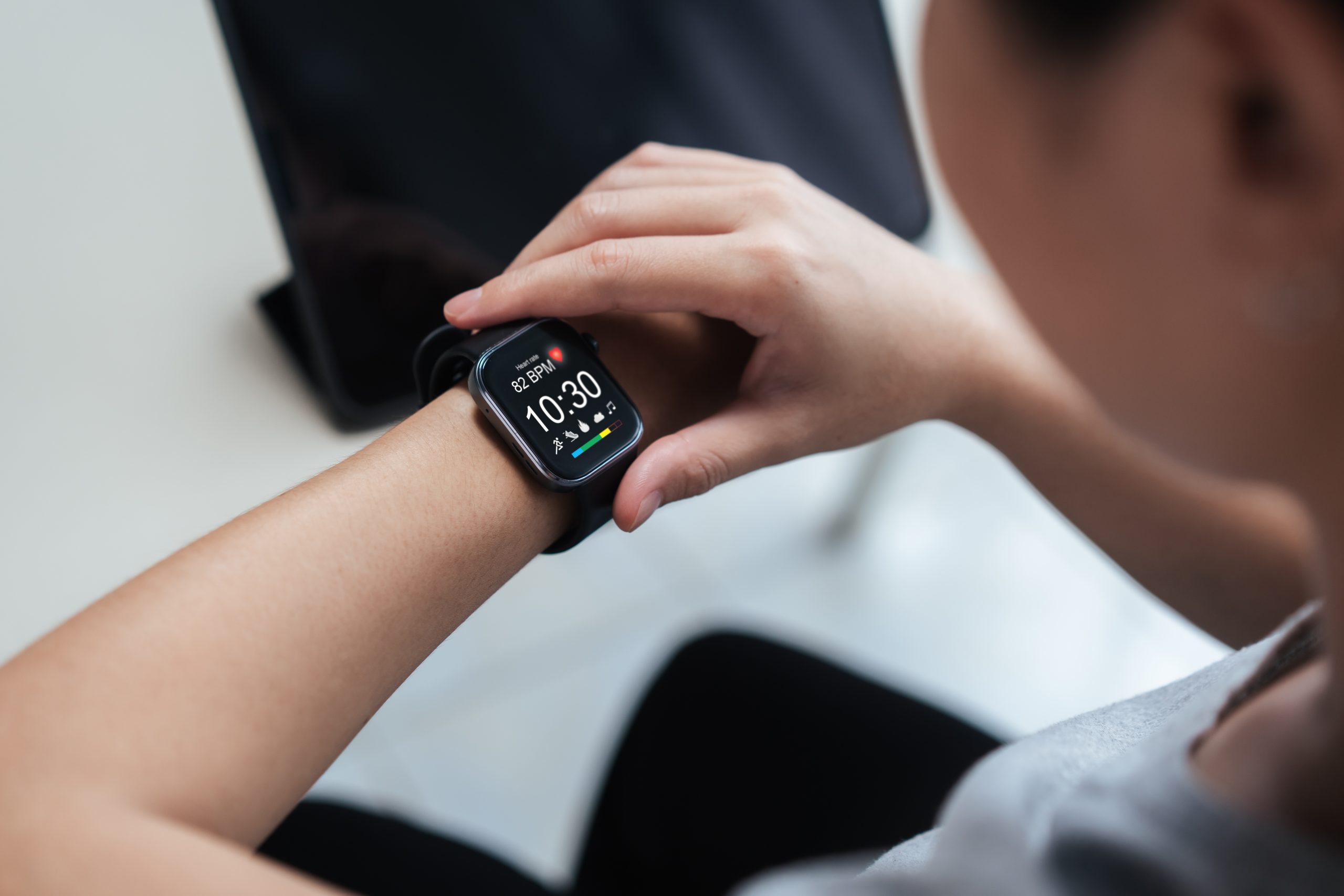
Wearable technology has moved from the realm of science fiction into everyday life. From smartwatches monitoring heart rate and sleep, to smart rings tracking stress, to fitness bands reminding us to move more, wearable tech is now wrapped around millions of wrists, clipped to clothing, and even worn in our shoes. For some, these devices represent a revolution in health and productivity. For others, they are overpriced gadgets that create more anxiety than insight.
So what is wearable tech really doing for us? Is it a genuine tool for better living… or just another tech industry hype cycle dressed up in sleek design and marketing?
Let’s take a closer look.
What Is Wearable Tech?
Wearable technology refers to electronic devices designed to be worn on the body, often incorporating sensors, software, and connectivity to collect data or provide real-time feedback. The most common examples include smartwatches, fitness trackers, smart rings, VR headsets, and even smart clothing. These devices measure things like steps, heart rate, body temperature, blood oxygen levels, sleep cycles, and sometimes even emotional states.
Early versions of wearables were basic step counters or heart rate monitors — tools mostly used by athletes and fitness enthusiasts. But today’s wearables are far more advanced, integrated with smartphones, apps, and cloud platforms that collect, analyze, and interpret vast amounts of personal data.
What was once optional gear for runners or cyclists has now become a cultural symbol. A smartwatch is no longer just athletic equipment — it is fashion, communication, health, and identity all rolled into one sleek device.
The Rise of the Wearable Tech Industry
The wearable tech industry has exploded in recent years. Major companies like Apple, Samsung, Garmin, Fitbit, and Google have invested billions in research and development. Advertising paints these devices as essential for a healthy, productive life: tracking calories, preventing illness, improving sleep, enhancing performance, extending longevity, and even saving lives.
You rarely see commercials that present wearables as optional. Instead, the message is clear: “If you want to be healthy, aware, and successful, you should be wearing one.”
And it’s working.
Millions of people check their step count before their morning coffee. Some refuse to sleep without their device recording the night. Others feel a sense of failure if they don’t close their rings, reach their calorie goal, or hit their activity targets.
Wearables have essentially gamified life.
But is this motivation helpful, or is it creating new forms of stress?
How Wearable Tech Is Actually Helping People
There is no denying that wearable tech has produced real, measurable benefits for many individuals. These devices can serve as an awareness tool, a motivation system, and even a health warning system.
First, wearables increase awareness. Many people had no idea how sedentary their lifestyle was until they started tracking steps. Seeing numbers in black and white is powerful. It can motivate someone to walk more, stretch more, and move more during the day. Even small increases in daily activity can significantly improve heart health, mood, and stamina.
Second, wearables provide structure and accountability. They act like a tiny coach on your wrist, reminding you to stand, move, breathe, and rest. For people trying to lose weight, improve cardiovascular health, or recover from injury, this real-time feedback can be extremely helpful. It removes guessing and replaces it with data.
Third, wearables have had serious medical benefits. Some smartwatches can detect abnormal heart rhythms and alert users to possible conditions like atrial fibrillation. There are documented cases of people seeking medical attention because of notifications from a smartwatch, sometimes catching conditions early enough to prevent serious damage.
In these cases, wearable tech is absolutely helpful — even life-saving.
Finally, wearables open the door to long-term pattern recognition. Over months and years, users can spot trends in sleep, stress, activity, and health habits. This long-term perspective can be valuable for doctors, trainers, and individuals seeking meaningful change.
When Helpful Becomes Harmful
However, the same technology that helps some people can hurt others in more subtle ways.
For many users, wearable tech becomes an obsession. Every heartbeat, every step, every restless minute of sleep is analyzed. Instead of bringing peace of mind, the device creates anxiety. A poor night’s sleep might not have felt bad before — but now, after seeing the data, it can feel catastrophic.
There is also the risk of “performance addiction.” People begin to see their bodies not as living, feeling beings created for joy and purpose, but as machines that must always improve metrics. Calories in, steps out, heart rate optimized, recovery maximized. The human experience becomes reduced to numbers.
This can especially affect individuals struggling with anxiety, eating disorders, or perfectionism. Tracking becomes control. Control becomes obsession. And obsession erodes joy.
In that way, wearable tech can begin to work against mental and emotional well-being rather than supporting it.
The Privacy Question No One Likes to Ask
Another major issue with wearable tech is data privacy.
These devices collect incredibly personal information: heart rate, location, sleeping patterns, physical activity, stress levels, and sometimes even biometric responses tied to emotion. That data is often sent to servers owned by large corporations. While most companies assure users that data is protected or anonymized, security breaches and policy changes are always a risk.
If your bank data is stolen, it is serious. But if your body’s data is stolen, sold, or used maliciously, the implications are even greater. We are entering a time when people are casually giving corporations access to their biological information without fully understanding what that could mean long-term.
Many users never read the privacy agreement. They simply click “accept” for the sake of convenience.
Convenience, however, is often the price we pay for privacy.
Apple’s Approach
Apple’s privacy messaging is bold: they describe privacy as “a fundamental human right” and say they build their products with this principle at the core. Some of the key points they make:
- On-device processing & minimisation: Apple emphasises that many operations occur on the device itself (rather than being uploaded to cloud servers) when possible, reducing exposure of raw personal data.
- Transparency and control: Apple provides “Data & Privacy” screens and icons to let users know ahead of time what personal data a feature may use. They claim the user can access, correct, transfer, restrict, or delete their personal data.
- Health data protections: For health-related personal data (e.g., what wearables capture), Apple sets out a special “Consumer Health Personal Data Privacy Policy” emphasising four pillars: data minimisation, on-device processing, transparency & control, and security.
- No sale of health data: In that health-data policy, Apple explicitly states it does not sell consumer health personal data.
On the face of it, Apple’s public commitments suggest they’ve designed their wearable ecosystem with privacy protection in mind. However, some independent researchers caution that actual default settings, the integration of components, and the complexity of managing permissions can still leave users exposed.
Google / Fitbit’s Approach
Google’s involvement in the wearables space is primarily through its acquisition of Fitbit and its related health-/fitness-data services. Their public statements and policies include the following:
- Security commitments: Google writes that Fitbit uses “Google’s security practices” to keep user data safe and private, emphasising encryption in transmission and other protective measures.
- Assurances about data use for advertising: At the time of the acquisition, Google and Fitbit publicly promised that Fitbit health and wellness data would not be used for Google ads or sold to third parties.
- Data control for users: Google indicates users will have the ability to “review, move or delete” their Fitbit data.
- Account migration and integration concerns: More recently, Fitbit users have been required to migrate to Google accounts (by February 2026) to continue service, which merges Fitbit data more directly into Google’s ecosystem and raises questions about how integrated data may be used.
While Google publicly promises responsible handling, privacy advocates note that once data enters the broader Google ecosystem, the boundaries between devices, services, and data sets become less clear. Questions remain about how data may be used over time, how it might be combined or repurposed, and whether future changes in policy could open new avenues of use.
Comparing the Two: Key Practical Differences
- Philosophy & Branding: Apple emphasises privacy as a core value, differentiating itself in marketing as the “privacy-first” choice. Google tends to emphasise utility, integration, and services — meaning that data flows more freely across its ecosystem.
- On-device vs cloud: Apple leans more heavily on keeping processing on the device when feasible, reducing data transmission. Google’s model, while encrypted and secured, inherently involves more cloud integration given its business mission and service architecture.
- Health data special treatment: Apple explicitly separates “consumer health personal data” and promises no sale of it. Google/ Fitbit make similar promises but have been under greater scrutiny over how their broader data infrastructure may connect fitness data with other Google services.
- User control & transparency: Both companies offer tools and settings for review, deletion, and management of data. In practice, the usability and accessibility of those tools differ (with independent reports raising concerns about Apple’s complexity, and Google’s ecosystem breadth making user control more challenging to track).
What This Means for You
- Even when companies make strong privacy promises, your own behavior matters: the permissions you grant, the settings you choose, how you allow cross-device/data sharing, and whether you enable cloud sync all impact how much of your data is exposed.
- Data that is “encrypted in transit” or “processed on device” is better than nothing — but once it leaves your personal device and enters a large ecosystem, it inherits risks: breach, repurposing, future policy changes, or unanticipated linking with other data sets.
- If your wearable device tracks very sensitive information (heart rhythm, sleep disorders, stress indicators, location), ask yourself: Who has access? How easily can it be removed or transferred? Could this data generate conclusions about me that I didn’t intend?
- Even the best-intentioned companies may change policies, acquire new services, or combine data sets in new ways. A public commitment today does not guarantee the same treatment tomorrow — stay vigilant.
In short, companies like Apple and Google offer robust privacy frameworks on paper for wearable tech, but practical privacy depends on the devices, settings, and your decisions. Understanding what is promised — and where actual control lies — is essential in assessing whether wearable tech is a help or a hidden risk.
Is the Hype Just Marketing?
Wearable tech companies are masters of marketing. They use health, identity, fear, and aspiration to sell devices. Commercials show fit bodies, joyful families, productive professionals, and adventurous lifestyles — all made better by a device strapped to the wrist.
The underlying message is subtle but powerful: Without this product, you are missing out on life.
That is hype.
The truth is, people were walking, running, sleeping, breathing, and living for thousands of years before smartwatches were invented. Health is not a new concept. Awareness is not new. Self-discipline is not new.
The technology is impressive — but the human body and mind are far more complex, intelligent, and resilient than any algorithm.
Wearable tech does not make a person healthy. Choices do. Habits do. Discipline does. A device can support those things, but it cannot replace them.
If a smartwatch is the only thing keeping you active or disciplined, it may be the wrong master.
Spiritual and Emotional Considerations
From a spiritual perspective, there is also something worth considering. Each new layer of technology increasingly pulls our attention inward — toward ourselves, our numbers, our data, our performance, our body. Life becomes more introspective and less outwardly focused on others, on faith, on purpose, and on service.
There is a difference between stewardship of the body and obsession over the body.
Wearable tech can cross that line very easily.
While taking care of your health is good and wise, it should never replace living. Nor should it break your peace. Technology should serve humanity — not control, consume, or define it.
So, Is Wearable Tech Help or Hype?
The honest answer is: It is both.
Wearable tech is help when:
• It encourages healthier habits
• It provides useful medical alerts
• It supports fitness goals in a balanced way
• It increases awareness without anxiety
• It serves as a tool — not a master
But wearable tech is hype when:
• It becomes a status symbol or identity
• It causes obsession or guilt
• It replaces personal discipline
• It invades privacy without concern
• It promises more than it can deliver
In the end, wearable tech is only as good or as bad as the way it is used.
Final Verdict: Help or Hype?
Final Verdict: Mostly HELP, but easily becomes HYPE.
Wearable technology is a powerful tool for awareness, motivation, and health tracking. When used with wisdom and balance, it can absolutely improve quality of life. However, when used as a crutch, or an obsession, it becomes another overhyped product in a world addicted to instant solutions.
The best posture is not rejection or blind adoption — but discernment.
Use the tool. Don’t become its servant.
And remember: the most important measurements in life cannot be tracked by a device — things like love, purpose, faith, joy, contentment, and peace.
Those have to be lived… not worn.