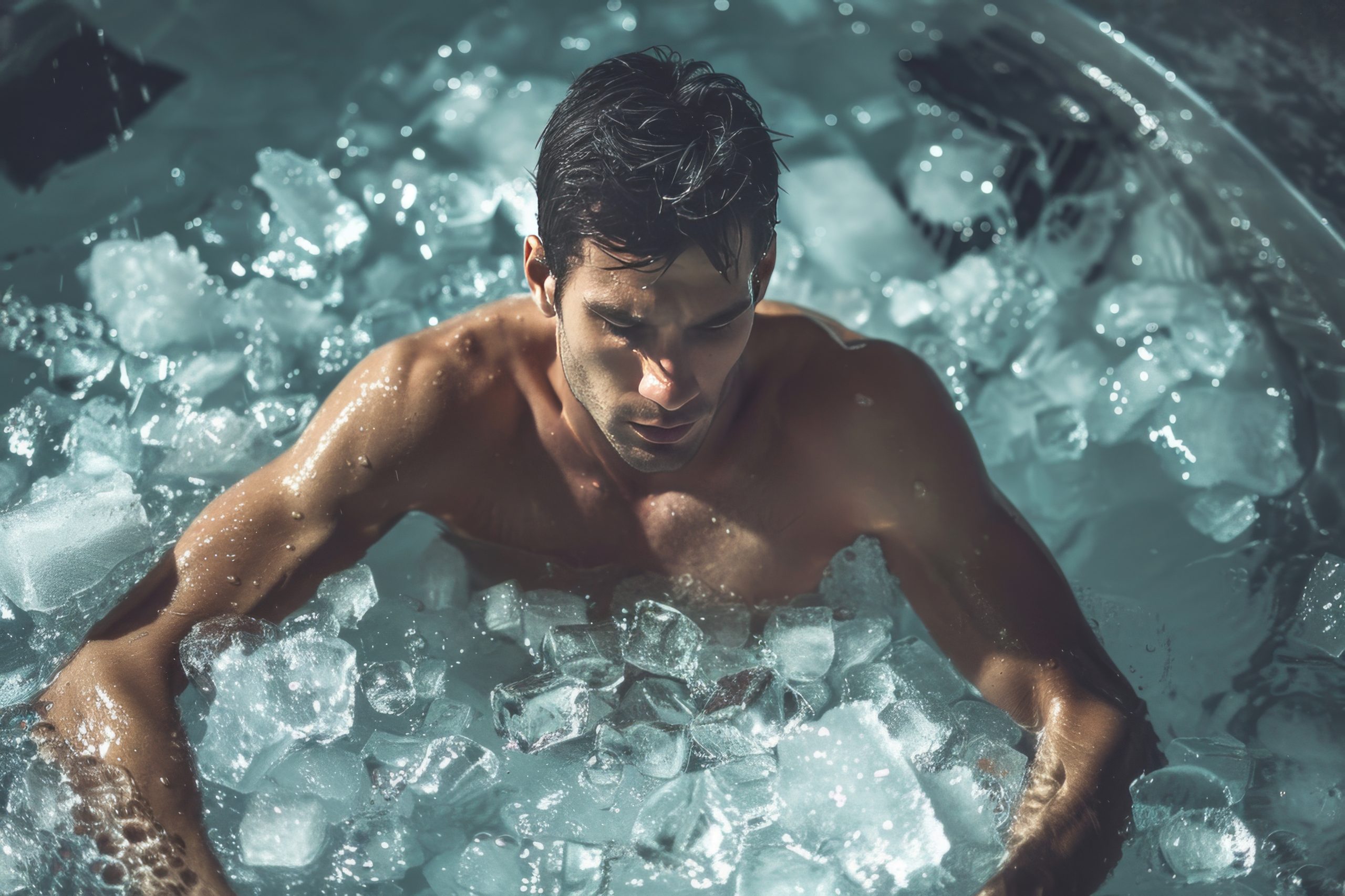
Cold plunging—also known as cold-water immersion—has exploded in popularity. Google searches have skyrocketed. TikTok, Instagram, and YouTube are full of people jumping into freezing barrels every morning, claiming benefits ranging from better mood to boosted immunity to superhuman discipline. But in the middle of all the noise, a fair question remains:
Is cold plunging real science, or just another wellness fad wrapped in hype?
The truth is: cold plunging is both hype and help. Some benefits have strong evidence behind them, while other claims are exaggerated or flat-out unproven. And, importantly, cold plunging is not safe for everyone.
This article breaks down the science, pros, cons, and ends with a balanced conclusion on whether cold plunging is worth your time.
What Is a Cold Plunge?
A cold plunge typically means immersing your body in very cold water—between 5°C and 15°C (41°F–59°F)—for anywhere from 30 seconds to a few minutes. This can be a dedicated cold plunging tub, an ice bath, a lake, or even a very cold shower.
The reason cold plunging became trendy isn’t hard to understand. Influencers promote it as a quick path to feeling alive, mentally strong, energized, and emotionally resilient. The problem is that hype often oversells reality.
But surprisingly, the science behind cold plunges is not empty. There are real physiological effects—some beneficial, some risky, and some simply misunderstood.
The Proven Benefits of Cold Plunging
1. Faster Recovery and Less Muscle Soreness
One of the most researched benefits of cold-water immersion is post-workout recovery.
A 2021 systematic review published in Sports Medicine found that cold water immersion after intense exercise reduces muscle soreness and improves perceived recovery in the first 24 hours. The authors noted:
“Cold-water immersion is effective for reducing delayed-onset muscle soreness and improving perceived recovery in the short term.” — Sports Medicine Review, 2021
This is why professional athletes and sports teams have used ice baths for decades. Cold plunges help bring down inflammation, reduce swelling, and restore performance more quickly between events or workouts.
Important nuance:
Cold plunges are great for recovery—but not ideal if your goal is maximum muscle growth. We will address that under the cons.
2. Improved Mood and Mental Health Effect
Cold plunges affect the nervous system in powerful ways.
During cold exposure, the body releases a surge of norepinephrine—also known as noradrenaline—a neurotransmitter linked to alertness, focus, and mood regulation. A 2022 study published in the International Journal of Circumpolar Health found that a single cold-water session improved mood almost immediately:
“Short-term cold-water immersion significantly increased positive affect and reduced negative affect.” — International Journal of Circumpolar Health, 2022
Additionally, researchers have found that cold exposure activates the vagus nerve, which helps regulate stress, anxiety, and emotional balance.
This is part of what scientists call a hormetic stress response—a small, controlled stress that can build resilience to larger stresses in daily life.
While research is young, early data shows promise for people struggling with:
- low mood
- chronic stress
- anxiety
- general mental fog
Many people report the biggest benefit is not physical but psychological—the feeling of doing something difficult at the start of the day sets a tone of discipline and accomplishment.
3. Potential Immune and Metabolic Improvements
Some early research suggests that cold plunging may have immune-boosting effects.
A Dutch study from 2016 found that participants who finished their shower with 30–90 seconds of cold water for 90 consecutive days reported fewer sick days from work (Kox et al., PLOS One, 2016). While not definitive proof, it suggests cold exposure may stimulate certain immune pathways.
Cold plunging also increases calorie expenditure. The body uses energy to maintain internal temperature—a process known as thermogenesis. Research published in Cell Metabolism found that cold exposure can activate brown fat, which burns calories to create heat.
One researcher wrote:
“Cold exposure increases metabolic rate as the body compensates for heat loss.” — Cell Metabolism, 2014
However, while cold plunging may slightly increase calorie burn, it is not a major fat-loss tool. Diet and exercise matter far more.
4. Builds Mental Discipline and Routine
This “benefit” is more psychological than biological, but it is real. Getting into freezing water on purpose trains the mind not to run from discomfort. Many people use cold plunging as part of a morning routine to:
- reinforce discipline
- start the day with a mindset of strength
- overcome procrastination
- reduce emotional reactivity
That doesn’t require scientific proof—people simply feel it.
The Cons: Where Cold Plunging Is Overhyped or Risky
1. Cold Plunges Can Be Dangerous—Especially for Certain People
Sudden immersion in cold water triggers what researchers call the cold shock response: rapid breathing, a spike in heart rate, vasoconstriction (narrowing of blood vessels), and a sharp rise in blood pressure.
The American Heart Association warns:
“Sudden cold-water immersion can significantly increase cardiovascular strain and may be dangerous for individuals with heart conditions.” — AHA Advisory
This risk is especially high for people with:
- heart disease
- high blood pressure
- arrhythmias
- prior heart attack
- circulation problems
- respiratory issues
For these individuals, cold plunging should be avoided unless cleared by a doctor.
2. Risk of Hypothermia or Fainting
People often overdo cold plunges because social media frames them as a “how long can you stay in?” endurance test.
This is dangerous.
Cold plunges should be short, controlled, and intentional, not prolonged stunts. Staying too long can lead to:
- numbness
- dizziness
- confusion
- loss of coordination
- hypothermia
- fainting (especially during rewarming)
No wellness benefit is worth risking your life for a TikTok video.
3. Cold Plunges Immediately After Lifting May Reduce Muscle Growth
This is one of the most misunderstood points.
A study summarized by The Washington Post in 2023 found that cold plunging right after strength training may reduce long-term muscle growth because the cold reduces inflammation too aggressively. Inflammation is actually part of the muscle-building process.
The article quotes researcher Shona Halson:
“Cold-water immersion immediately after resistance exercise appears to blunt the muscle’s adaptive response.” — Washington Post, July 2023
So if your number one goal is hypertrophy (big, strong muscles), you should not plunge immediately after lifting. Instead, wait several hours or do it on rest days.
4. Some Claims Are Exaggerated or Unproven
Here are benefits commonly claimed online that are weakly supported or not supported at all:
- Cures depression — promising, but lacks large clinical trials
- Massively boosts immunity — early research, not conclusive
- Burns huge calories — calorie burn is real but small
- Heals chronic illness — no evidence
- Fixes hormonal issues — claims exceed data
A 2023 review in the European Journal of Applied Physiology concluded:
“Cold-water immersion may have beneficial effects on well-being, inflammation, and perceived stress, but current evidence is limited by small sample sizes and a lack of long-term studies.”
In other words: encouraging, but far from miraculous.
Is Cold Plunging Hype or Help?
After looking at the research, here is the balanced answer:
Cold plunging is NOT just hype.
There are clear, scientifically supported benefits:
- reduced muscle soreness
- improved short-term recovery
- improved mood and stress resilience
- mental toughness and discipline
- modest metabolic effects
For many healthy people, cold plunging can be a meaningful and motivating part of a wellness routine.
BUT cold plunging IS overhyped when:
- it’s treated as a cure-all
- it’s done dangerously
- it’s used as a replacement for exercise, sleep, or nutrition
- it’s attempted by people with heart or circulatory issues
- it’s done for social media validation rather than health
Cold plunges are not a miracle drug. They are a tool—useful in the right context, unhelpful or harmful in the wrong one.
Final Verdict: Should You Try It?
If you are a generally healthy adult with no underlying cardiovascular or respiratory issues, then cold plunging can be:
- a helpful recovery method
- a powerful mood booster
- a simple habit to build discipline
- a way to start your morning feeling sharp and resilient
Just follow these guidelines:
- Start with cold showers before full plunges.
- Keep sessions short (1–3 minutes).
- Never plunge alone, especially in natural water.
- Avoid cold plunging right after heavy lifting.
- Stop immediately if you feel pain, chest tightness, or dizziness.
And remember:
Cold plunging isn’t magic—but it can be meaningful.
It’s not the answer to everything, but it is a tool that can genuinely help many people when used wisely.